
Ghrelin-receptor agonists (GH secretagogues)
These synthetic peptides activate the growth hormone secretagogue receptor, a G protein-coupled receptor in the pituitary and hypothalamus whose natural ligand was later identified as ghrelin, a peptide from the stomach. Activating it releases growth hormone by a route separate from GHRH. A review described these secretagogues as functional somatostatin antagonists that potentiate GHRH and enhance pulsatile growth hormone secretion. Several have been used in humans as diagnostic growth hormone stimulation tests.
How the members differ
- Ipamorelin did not raise ACTH or cortisol beyond the GHRH response in pigs, whereas GHRP-6 and GHRP-2 did, so its developers described it as selective for growth hormone release.
- Hexarelin raised prolactin, ACTH and cortisol as well as growth hormone in healthy men, and also binds the cardiac receptor CD36, linked to preclinical cardioprotective effects.
- GHRP-2 (pralmorelin) is labelled in Japan as a diagnostic for growth hormone secretion failure, and increased food intake in human infusion studies.
- GHRP-6 has been studied as a provocation test and was found highly specific but of limited sensitivity compared with the insulin tolerance test.
Compounds in this group
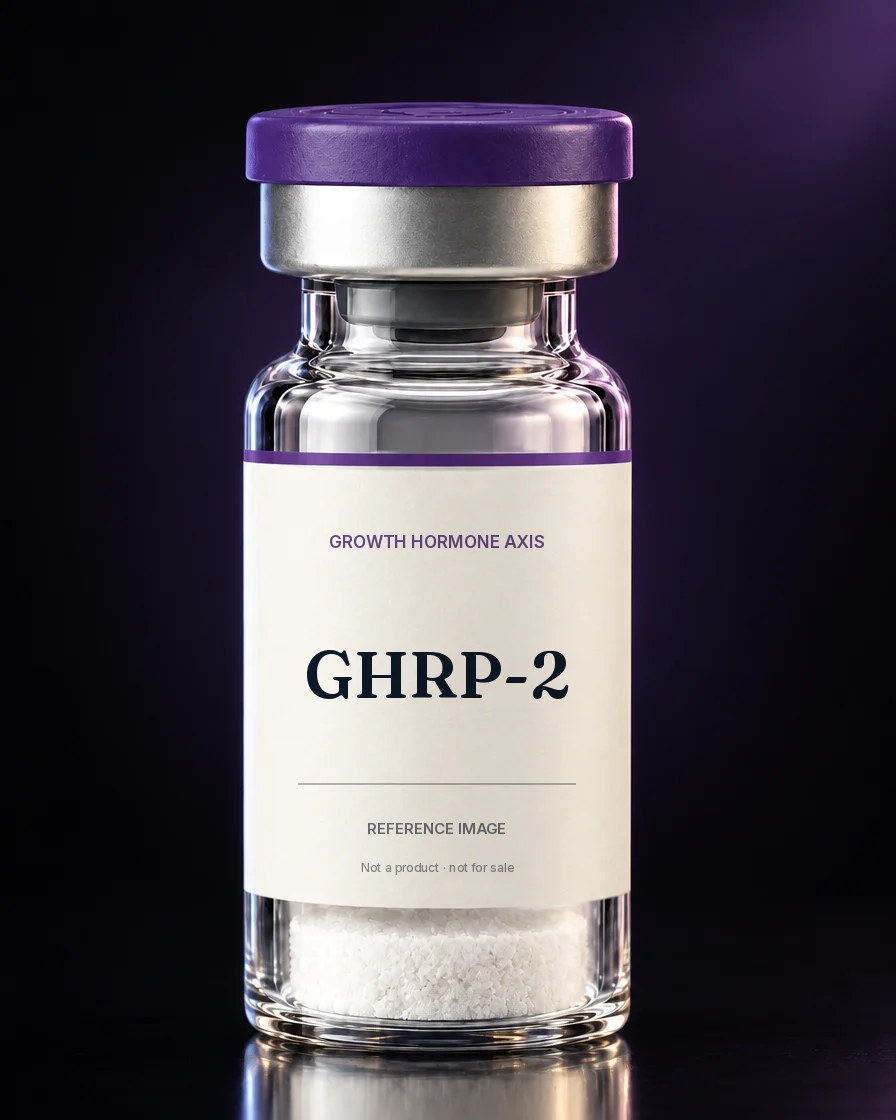 GHRP-2Limited human data · Approved outside the USGHRP-2 (pralmorelin) is a synthetic hexapeptide that acts on the ghrelin/growth hormone secretagogue receptor system. Its best-documented human use is as a single-administration diagnostic test for growth hormone deficiency in Japan. It is not approved by the FDA and is prohibited in sport.
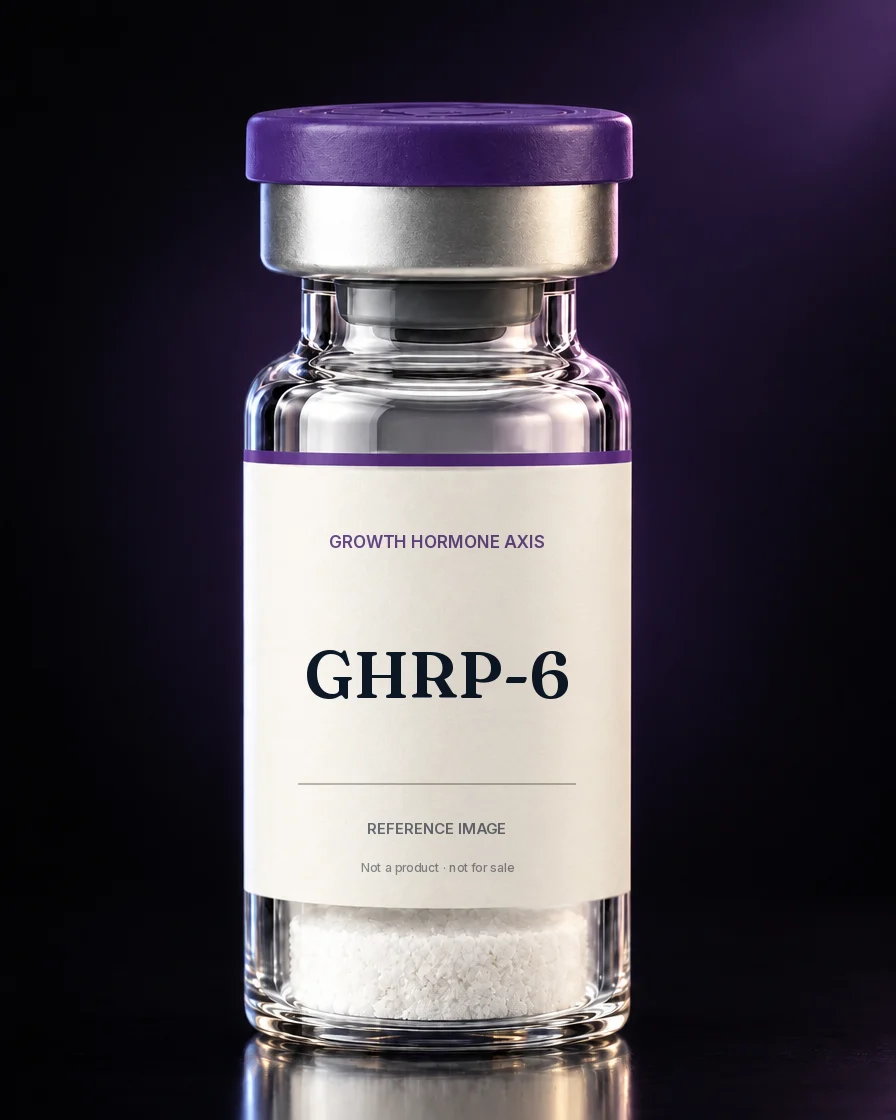 GHRP-6Limited human data · Not approved — research use onlyGHRP-6 is a synthetic hexapeptide growth hormone secretagogue used in research on pituitary signaling and the ghrelin receptor. Human work consists mainly of small diagnostic and short-term endocrine studies. It is not approved by the FDA and is prohibited in sport.
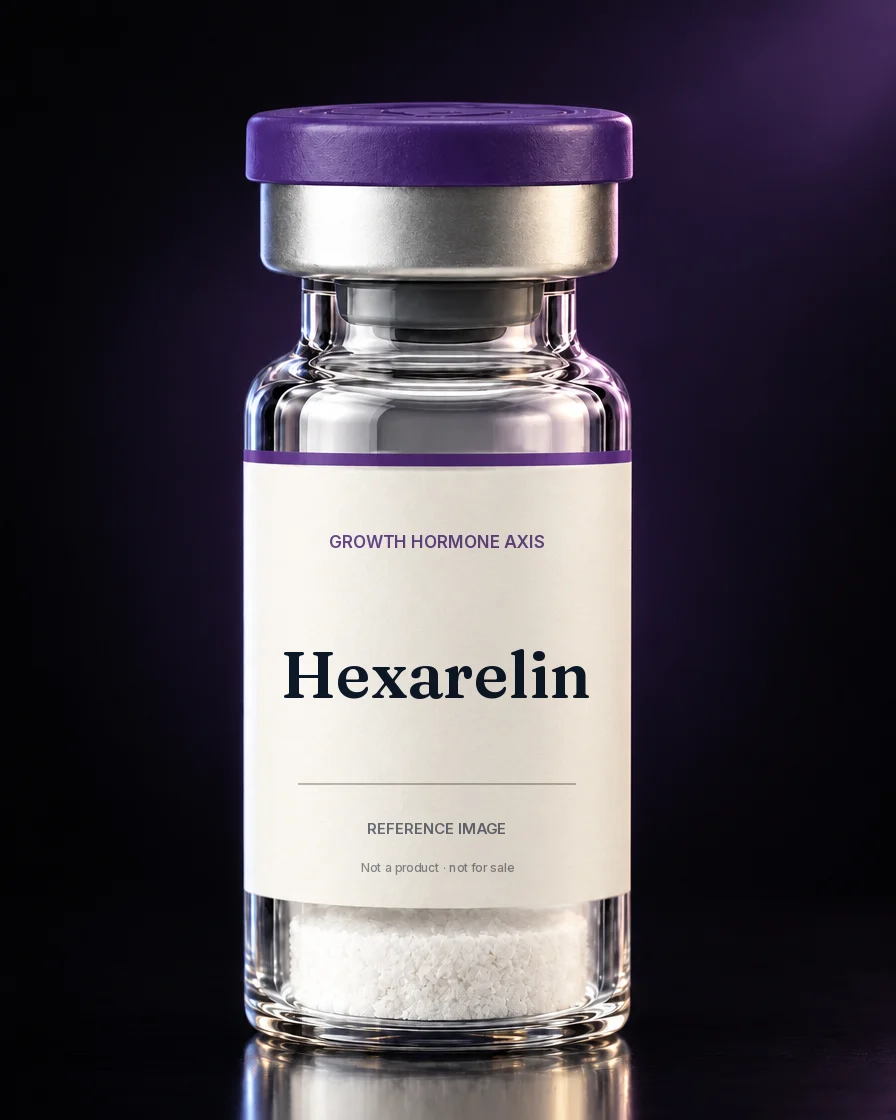 HexarelinLimited human data · Not approved — research use onlyA synthetic hexapeptide growth hormone secretagogue acting at the ghrelin receptor, studied in endocrine and cardiovascular research models.
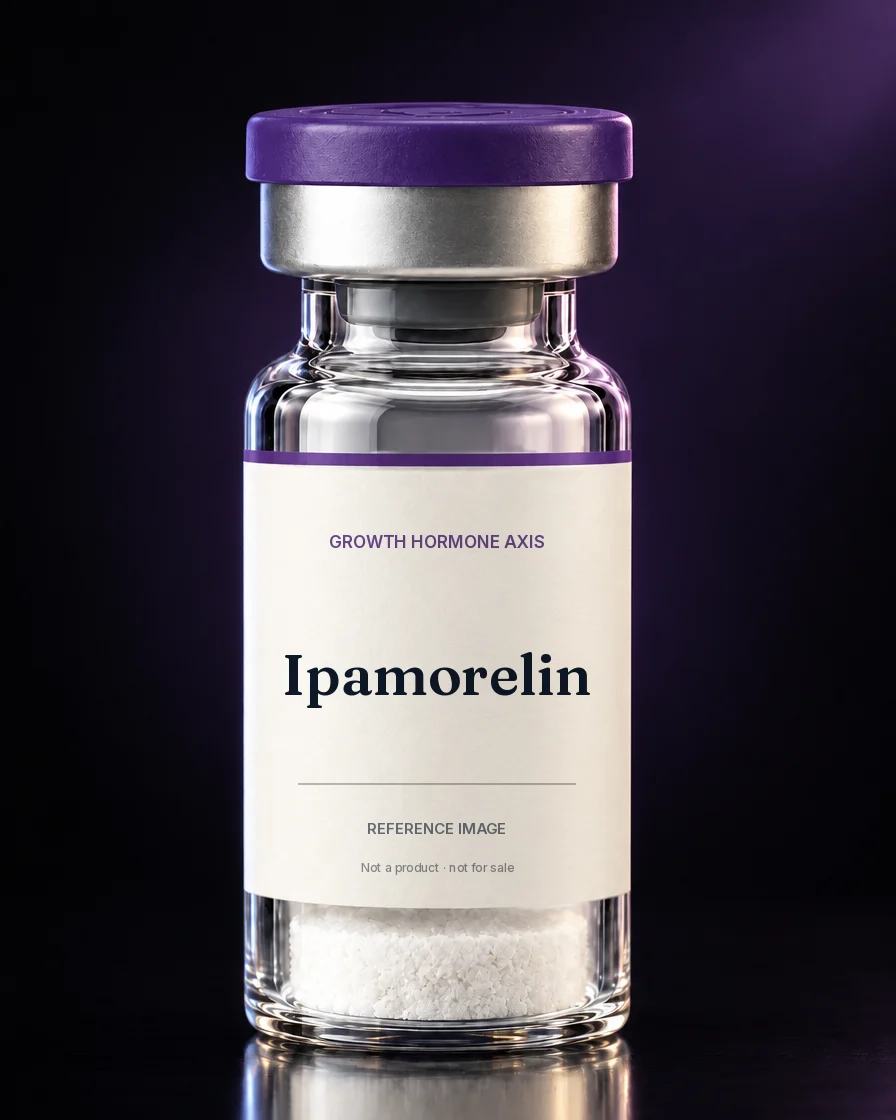 IpamorelinLimited human data · Not approved — research use onlyIpamorelin is a synthetic pentapeptide that activates the ghrelin receptor and stimulates growth hormone release, studied in laboratory models and in a small number of human pharmacology and phase 2 studies. It has no approved use, and its one controlled efficacy trial, in postoperative ileus, did not show a significant difference from placebo. Evidence in humans for any other use has not been published in the sources reviewed.
Compare GHRP-2, GHRP-6, Hexarelin side by side
For research use only. Not for human or veterinary use. Not a drug, food, or dietary supplement. Mechanism descriptions summarize published research and are not claims of effect in people.