
Mechanism
GHRH analogues
Growth hormone-releasing hormone (GHRH) is a hypothalamic peptide that acts on pituitary somatotroph cells to stimulate synthesis and pulsatile release of the body's own growth hormone. GHRH analogues are based on its first 29 amino acids and act at the pituitary GHRH receptor rather than supplying growth hormone itself. Growth hormone released this way then raises IGF-1. The analogues differ mainly in how they are modified to resist breakdown and therefore how long they last.
How the members differ
- Sermorelin is the GHRH(1-29) analogue; its US Geref products were approved for diagnosis and pediatric growth hormone deficiency and discontinued in 2008.
- Tesamorelin is FDA-approved only for excess abdominal fat in HIV-associated lipodystrophy, with a reported elimination half-life of 8 to 11 minutes.
- CJC-1295 with DAC binds covalently to serum albumin, giving an estimated half-life of 5.8 to 8.1 days in healthy adults.
- CJC-1295 without DAC lacks the albumin-binding group, and FDA found no nonclinical or clinical data establishing its activity.
Compounds in this group
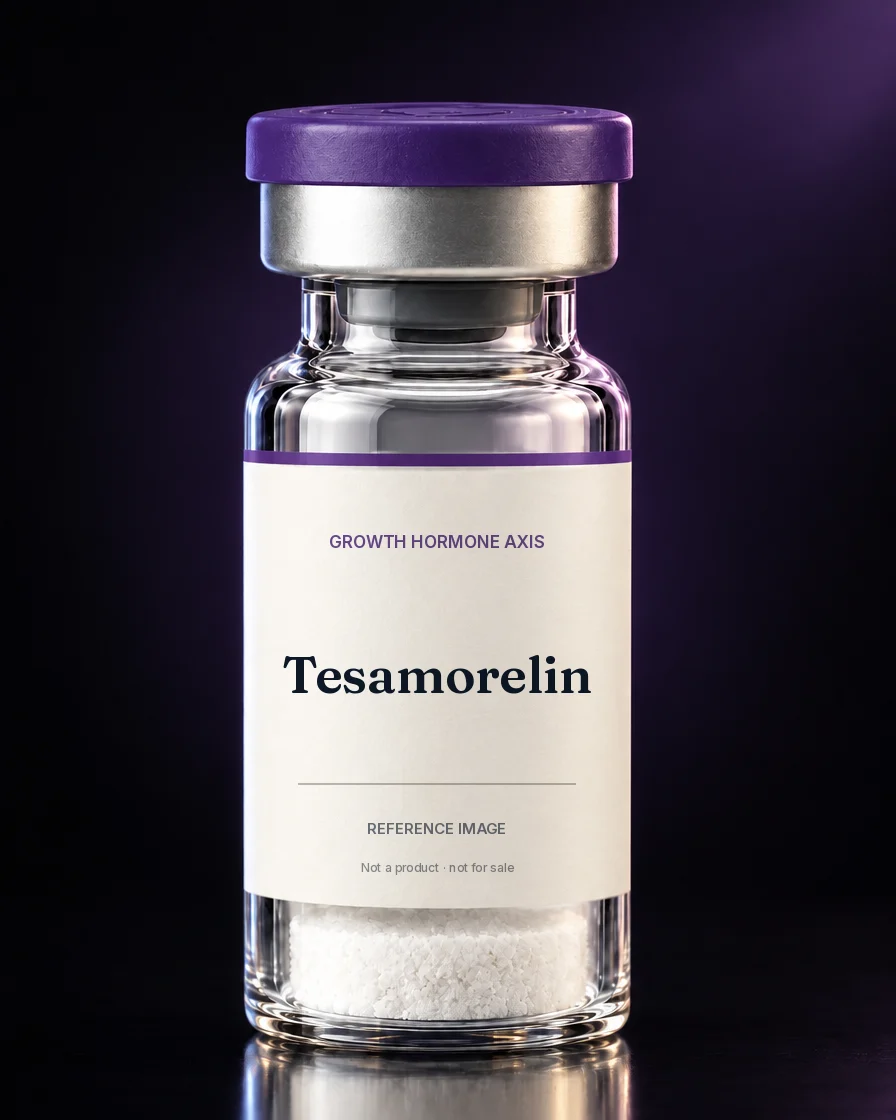 TesamorelinHuman trial evidence · FDA-approvedTesamorelin is a synthetic analog of human growth hormone-releasing factor that is FDA-approved for reducing excess abdominal fat in HIV-infected adults with lipodystrophy. It has been studied in randomized placebo-controlled trials, mainly in people with HIV. This entry summarizes the label and published trials for research information only.
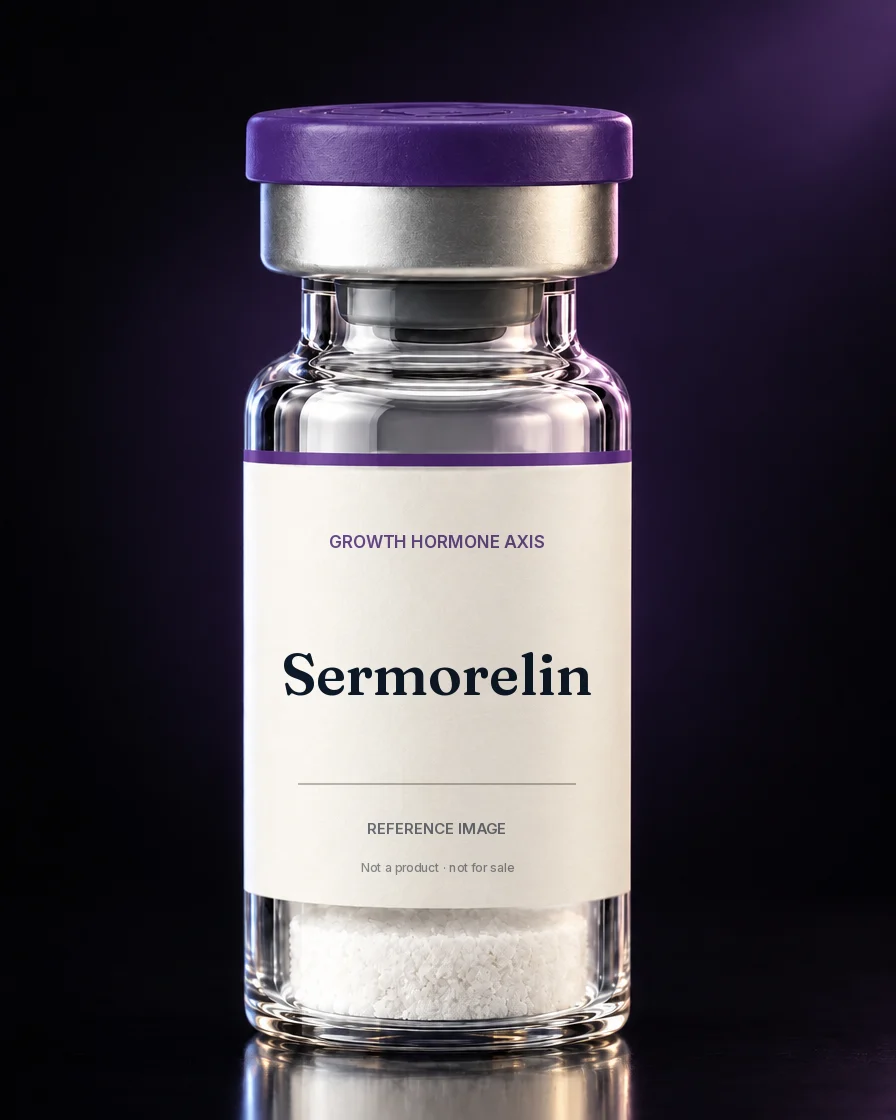 SermorelinLimited human data · Not approved — research use onlySermorelin is a 29-amino-acid analog of growth hormone-releasing hormone that was formerly sold in the United States as Geref for children with growth hormone deficiency and as a diagnostic agent. Its approvals were withdrawn after the manufacturer discontinued it, and FDA stated this was not for safety or effectiveness reasons. It is not currently an approved product, and this entry is for research information only.
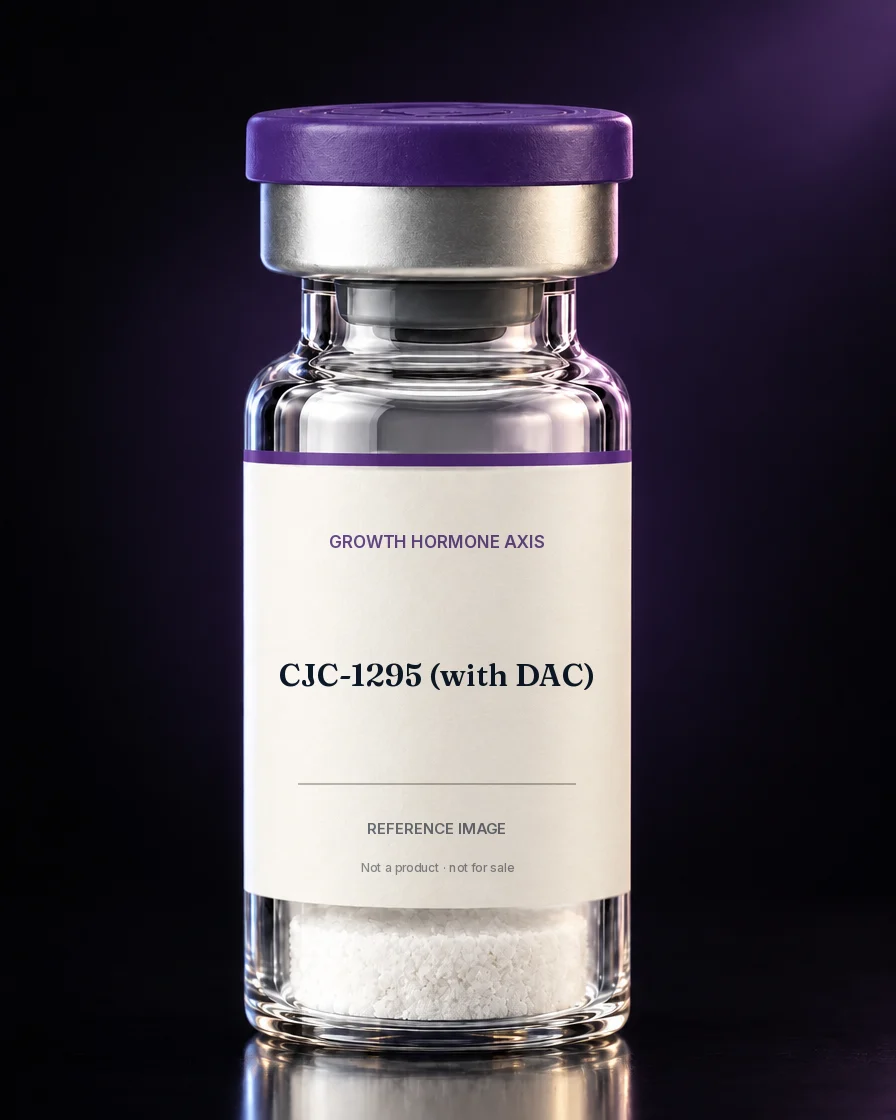 CJC-1295 (with DAC)Limited human data · Not approved — research use onlyCJC-1295 with DAC is a synthetic growth hormone-releasing hormone analog designed to bind serum albumin and thereby persist in the circulation for days. Published human data come from short studies in healthy adults, and a later phase 2 trial was terminated without publication. It has no approved use.
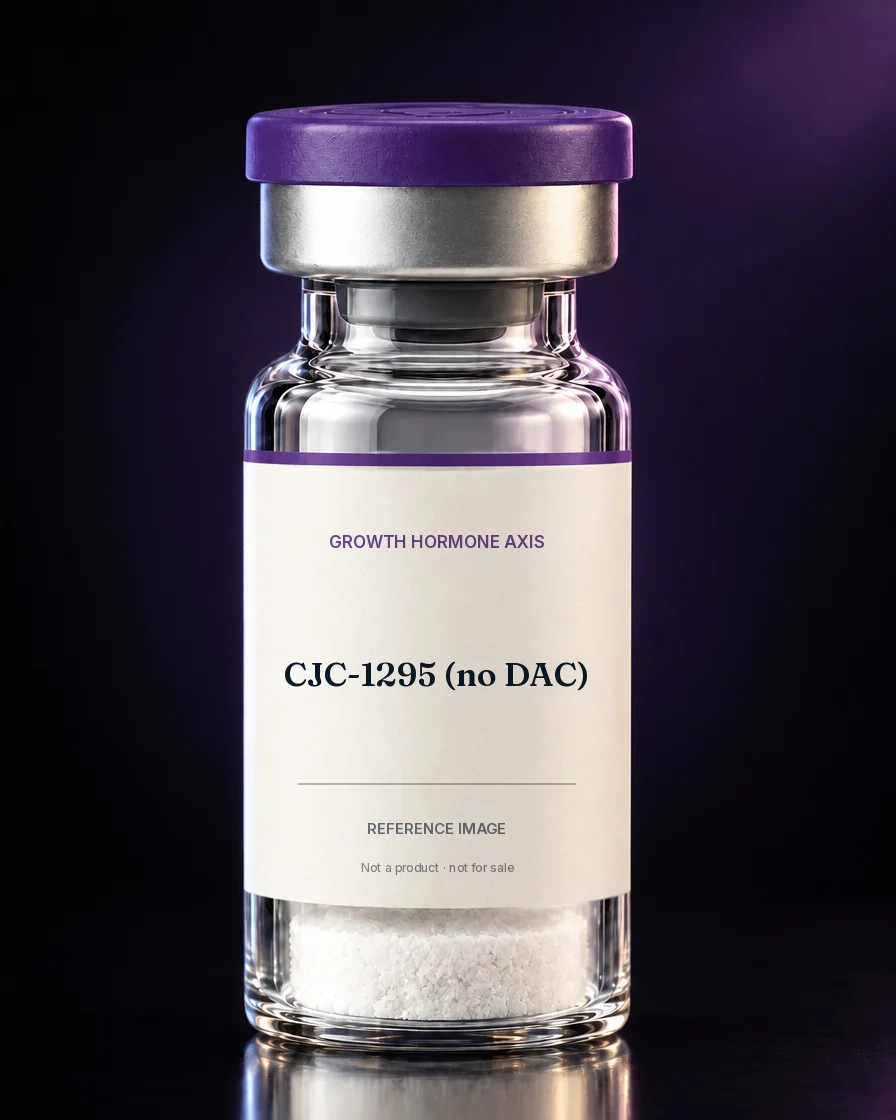 CJC-1295 (no DAC)Preclinical research · Not approved — research use onlyCJC-1295 without DAC (also called modified GRF 1-29) is a 29-amino-acid analog of growth hormone-releasing hormone that lacks the albumin-binding group of the long-acting CJC-1295 DAC form. Evidence specific to this form is limited: the published human work concerns the DAC form, and FDA found no safety or effectiveness data for the free base or acetate forms. It has no approved use.
Compare Tesamorelin, Sermorelin, CJC-1295 (with DAC) side by side
For research use only. Not for human or veterinary use. Not a drug, food, or dietary supplement. Mechanism descriptions summarize published research and are not claims of effect in people.