Immune research
This hub covers compounds researched for effects on immune cell function, thymic signalling and host defence. Apart from thymosin alpha-1, most compounds listed have been studied in cells or animals, or in small non-randomised human reports.
Limited human data
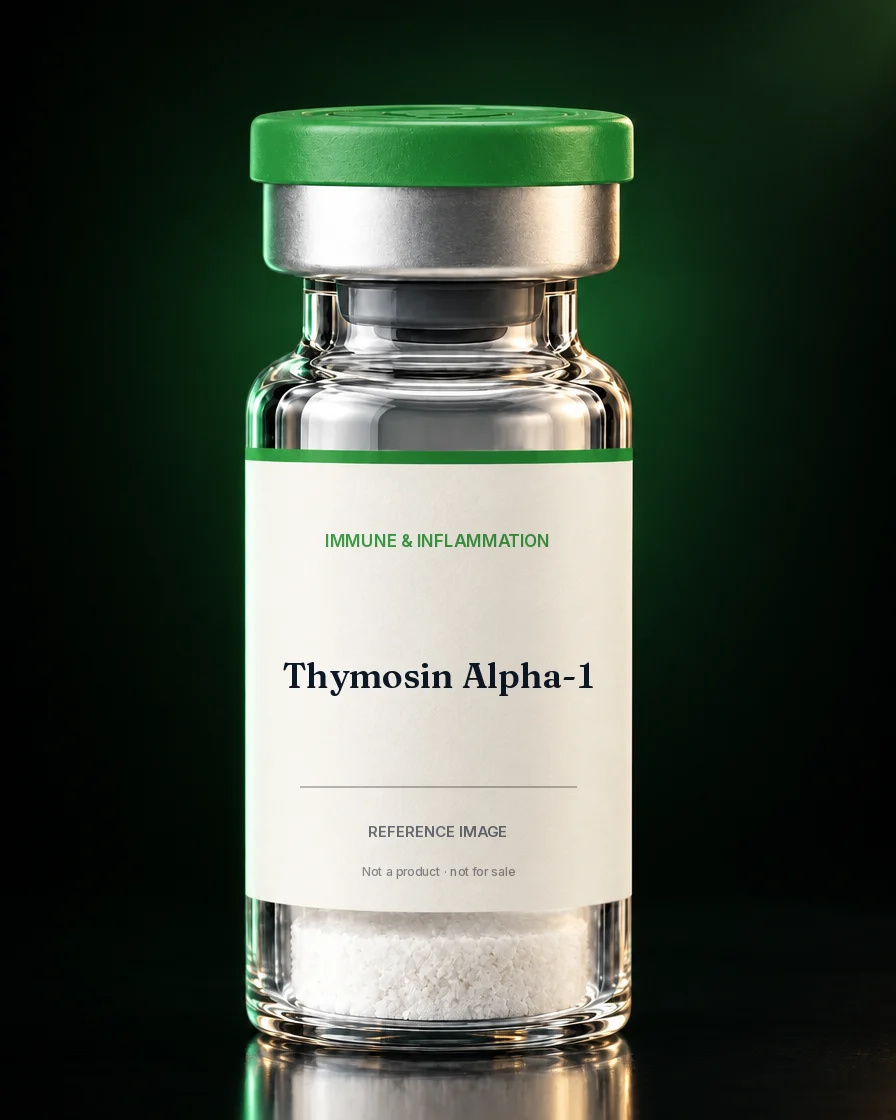 Thymosin Alpha-1Limited human data · Approved outside the USThymic peptide approved outside the US; in the 1,106-person phase 3 TESTS sepsis trial, 28-day mortality did not differ from placebo.
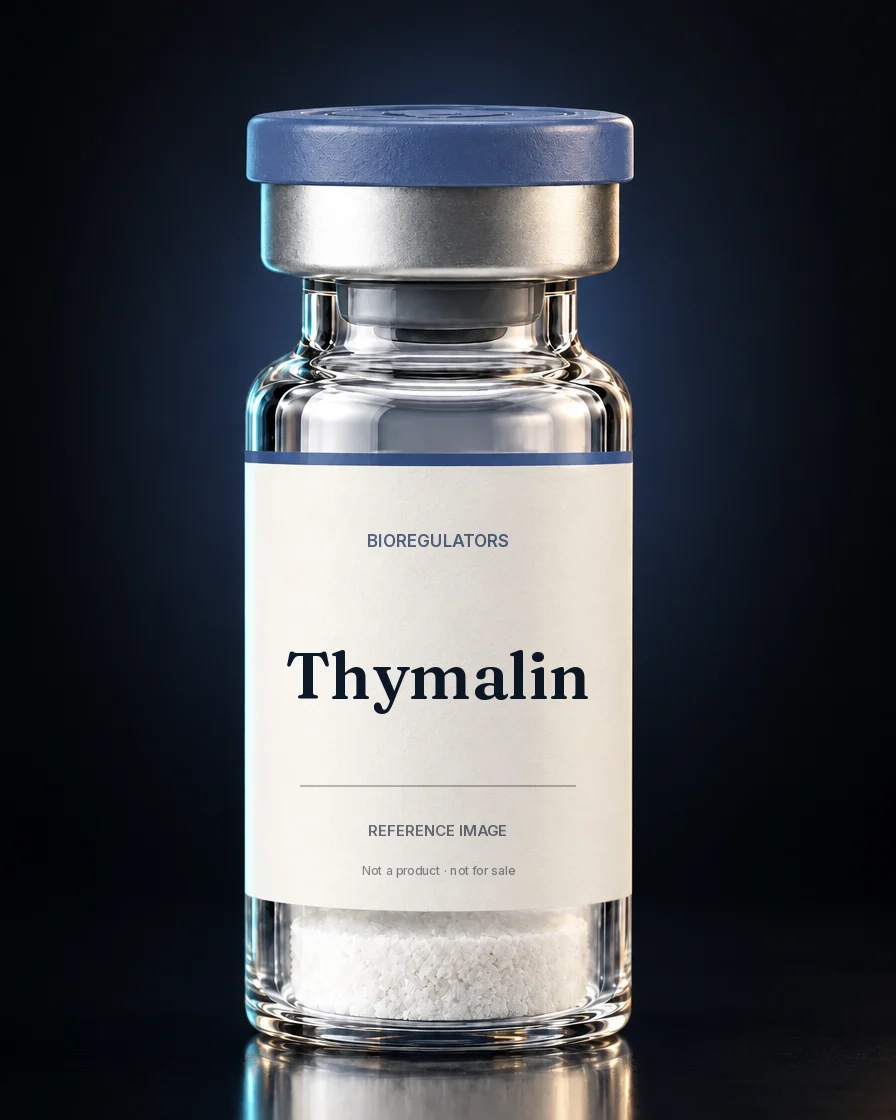 ThymalinLimited human data · Not approved — research use onlyThymus polypeptide complex; cultured human stem cell and blood cell studies examined T-cell markers and cytokines, and two non-randomised COVID-19 reports exist.
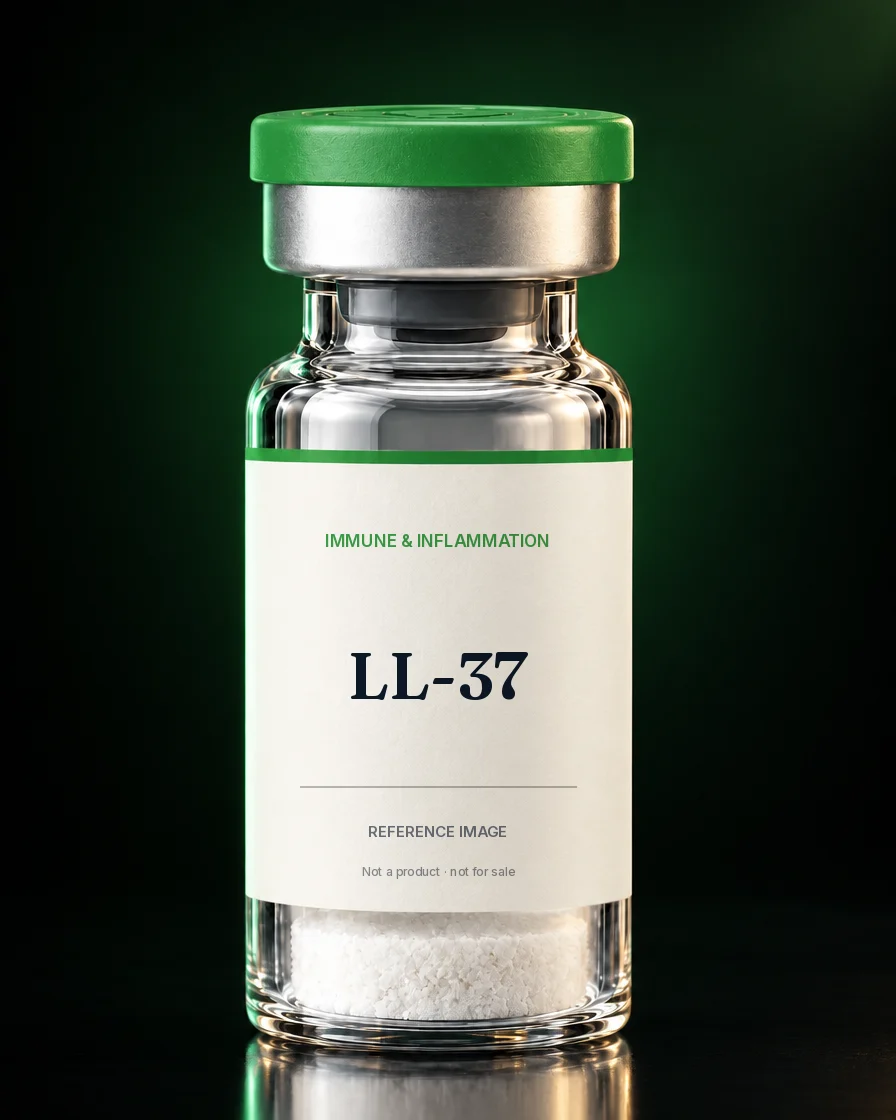 LL-37Limited human data · Not approved — research use onlyThe only human cathelicidin antimicrobial peptide; reviews describe antimicrobial and immunomodulatory actions in cell-based systems, including chemotaxis via formyl peptide-like receptor 1.
 L-GlutathioneLimited human data · Not approved — research use onlyIn a 6-month randomized placebo-controlled trial of oral glutathione in 54 adults, natural killer cell cytotoxicity was measured alongside blood glutathione levels.
Animal and laboratory research
 BronchogenPreclinical research · Not approved — research use onlyIn a rat model of nitrogen dioxide-induced lung disease, Bronchogen was associated with increased secretory IgA in lung lavage; no controlled human trial.
 CortagenPreclinical research · Not approved — research use onlyIn mouse spleen cells, Cortagen activated interleukin-2 mRNA synthesis less than sister peptides, and it produced no comitogenic effect on thymocytes.
 VilonPreclinical research · Not approved — research use onlyIn the human THP-1 monocyte line and in leukocytes from elderly donors, Vilon was studied for signalling, cytokine expression and chromatin changes.
 ThymulinPreclinical research · Not approved — research use onlyZinc-dependent thymic hormone studied as a biomarker and in animal models of inflammation; no approved use.
 ChonlutenMechanistic only · Not approved — research use onlyIts single study used the human THP-1 monocyte cell line, measuring cytokine expression, adhesion and apoptosis; no animal or human study was identified.
Not yet graded
Comparisons in this area
Guides
Questions people ask
Is thymosin alpha-1 approved?
Its synthetic form, thymalfasin, is described as approved in more than 35 countries outside the US, and no FDA-approved label was found in DailyMed. In the 1,106-participant TESTS sepsis trial, 28-day mortality was 23.4% versus 24.1% with placebo.
What is the difference between thymosin alpha-1 and thymalin?
Thymosin alpha-1 is a defined thymic peptide with randomized sepsis trials. Thymalin is a polypeptide complex extracted from thymus tissue, so composition can vary between batches, and its human data are non-randomised COVID-19 reports.
Is LL-37 a synthetic research chemical?
No. LL-37 is an endogenous human peptide released from the precursor hCAP-18 by proteinase 3 during neutrophil degranulation, and it is the only cathelicidin-derived antimicrobial peptide identified in humans.
For research use only. Not for human or veterinary use. Not a drug, food, or dietary supplement. Listing a compound under a research goal describes published research in the stated model. It is not a claim that the compound works, and it is not medical advice.