
Peptide molarity calculator
Mass divided by molecular weight gives moles; moles divided by volume gives molarity. Enter the three numbers and watch the flask fill.
These tools do not provide dosing guidance and are not for human or veterinary use. They are for research-use laboratory calculations only. Verify every result independently.
Molarity
Molar concentration from mass, molecular weight, and volume.
Pre-filled from LL-37.
molarity (mol/L) = [mass (g) ÷ molecular weight (g/mol)] ÷ volume (L)
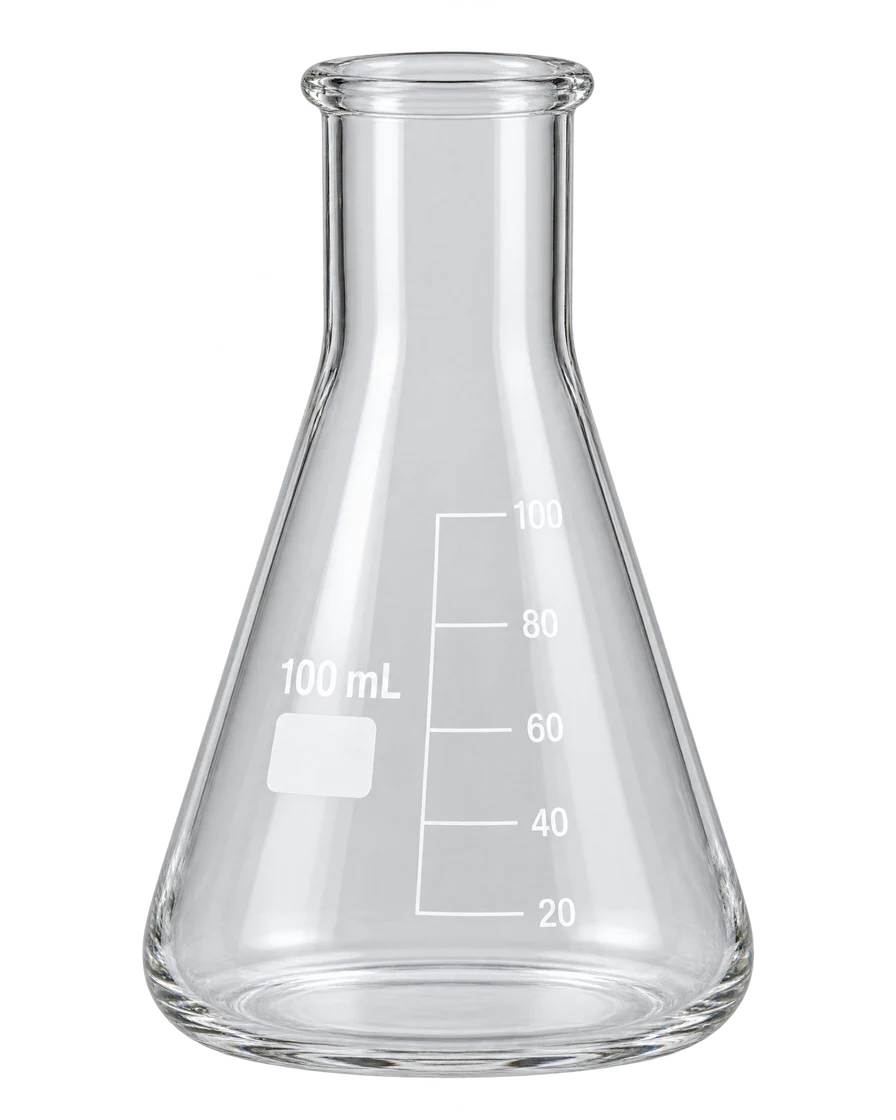
Flask fills to the volume you enter
How it works
Many assay protocols specify concentrations in molar units rather than mass units, because a mole counts molecules regardless of how heavy each one is. To convert, you need the molecular weight of the peptide, which Amiravo lists on each compound page from PubChem records.
The calculator converts milligrams to grams, divides by molecular weight to get moles, then divides by the volume in litres. Results are shown in millimolar and micromolar.
Step by step
- Convert the mass to grams (mg ÷ 1,000).
- Divide by molecular weight (g/mol) to get moles.
- Convert the volume to litres (mL ÷ 1,000).
- Molarity = moles ÷ litres; multiply by 1,000 for mM.
Frequently asked
Divide the mg/mL value by the molecular weight in g/mol and multiply by 1,000 to get mM. For BPC-157 (1,419.5 g/mol), a 1 mg/mL solution is about 0.70 mM, or 704 µM.
On its Amiravo compound page, where it is shown only when it matches a PubChem record. Open any compound page and use the “Molarity with this molecular weight” link to pre-fill this calculator.
One millimolar (mM) is 1,000 micromolar (µM). Both describe moles of material per litre of solution.
Yes. Acetate or trifluoroacetate salts weigh more than the free peptide. Use the molecular weight that matches the material you actually have.