Skin research
This hub covers compounds researched for skin pigmentation, light sensitivity, wrinkles, wounds and skin lightening. Several have small human studies or an approved indication, while the wound findings for others come from animals.
Approved or human trial evidence
Limited human data
 Melanotan IILimited human data · Not approved — research use onlyNon-selective melanocortin agonist; increased skin pigmentation was observed in two of three volunteers in the earliest human pilot study, and case reports describe atypical moles.
 GHK-CuLimited human data · Not approved — research use onlyCopper tripeptide studied in cell, tissue and animal wound models and in small topical human studies; a 13-person post-laser randomized study found no objective difference.
 L-GlutathioneLimited human data · Not approved — research use onlyOral glutathione was studied for melanin index in randomized placebo-controlled trials; a 2025 systematic review advised against intravenous use for skin lightening.
 LL-37Limited human data · Not approved — research use onlyTested topically with compression therapy in a phase IIb placebo-controlled trial in 148 people with venous leg ulcers; no significant healing difference in the full population.
 ArgirelineLimited human data · Not approved — research use onlyCosmetic ingredient with small, mixed human studies, including a double-blind split-face study that found no difference from vehicle.
 MatrixylLimited human data · Not approved — research use onlyCosmetic ingredient whose main human study is a 12-week industry-run split-face trial in 93 women.
Animal and laboratory research
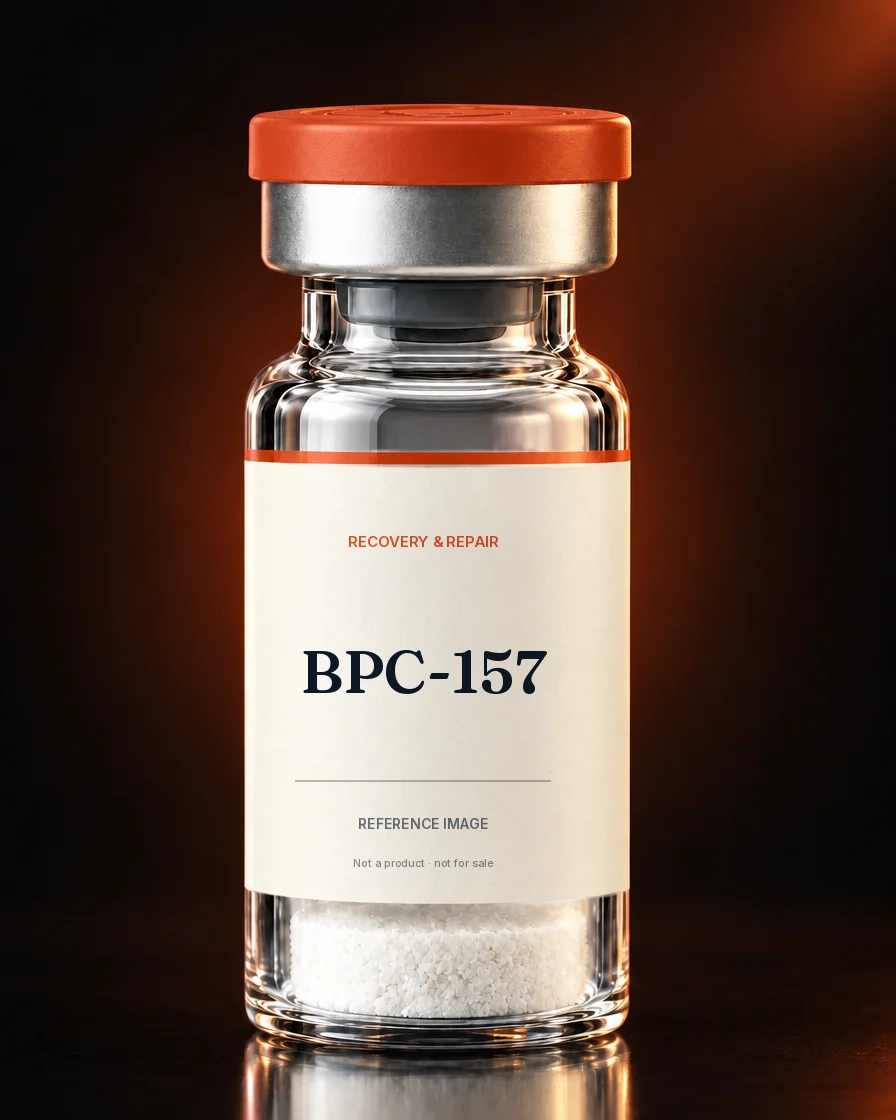 BPC-157Preclinical research · Not approved — research use onlyReviews summarize rat studies of skin, burn and diabetic wounds, largely from one research group; the published human reports do not cover skin.
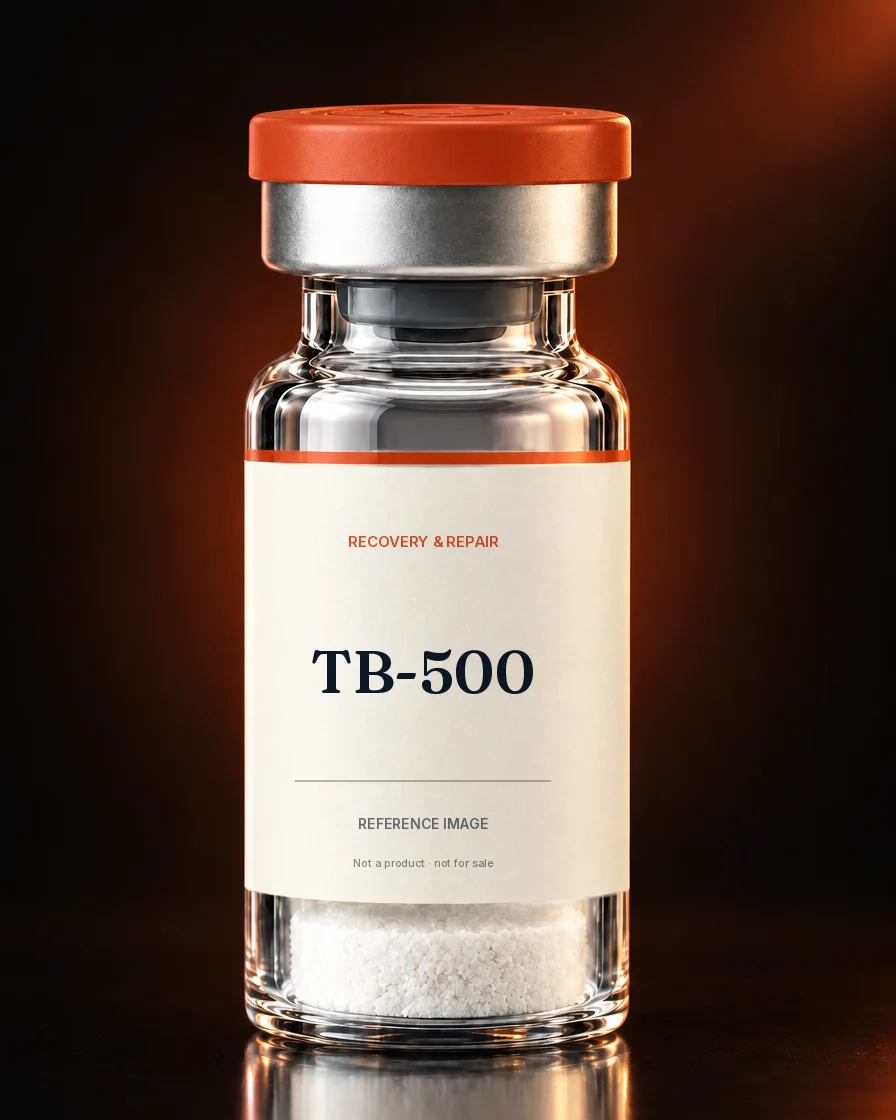 TB-500Preclinical research · Not approved — research use onlyIn aged mice, the non-acetylated peptide LKKTETQ increased wound closure, but FDA found no in vivo wound study of TB-500 itself.
Not yet graded
Comparisons in this area
Guides
Questions people ask
Which peptide is approved for a skin condition?
Afamelanotide is FDA-approved to increase pain-free light exposure in adults with a history of phototoxic reactions from erythropoietic protoporphyria. Its label recommends a twice-yearly full-body skin examination because existing moles and freckles may darken.
Does GHK-Cu reduce wrinkles?
The human evidence is small and topical. In a randomized study of 13 people after CO2 laser resurfacing, blinded evaluators found no significant difference in wrinkles, and a 2026 evidence-mapping review concluded that GHK-Cu remains unproven as a therapeutic agent.
Has SNAP-8 been tested on its own?
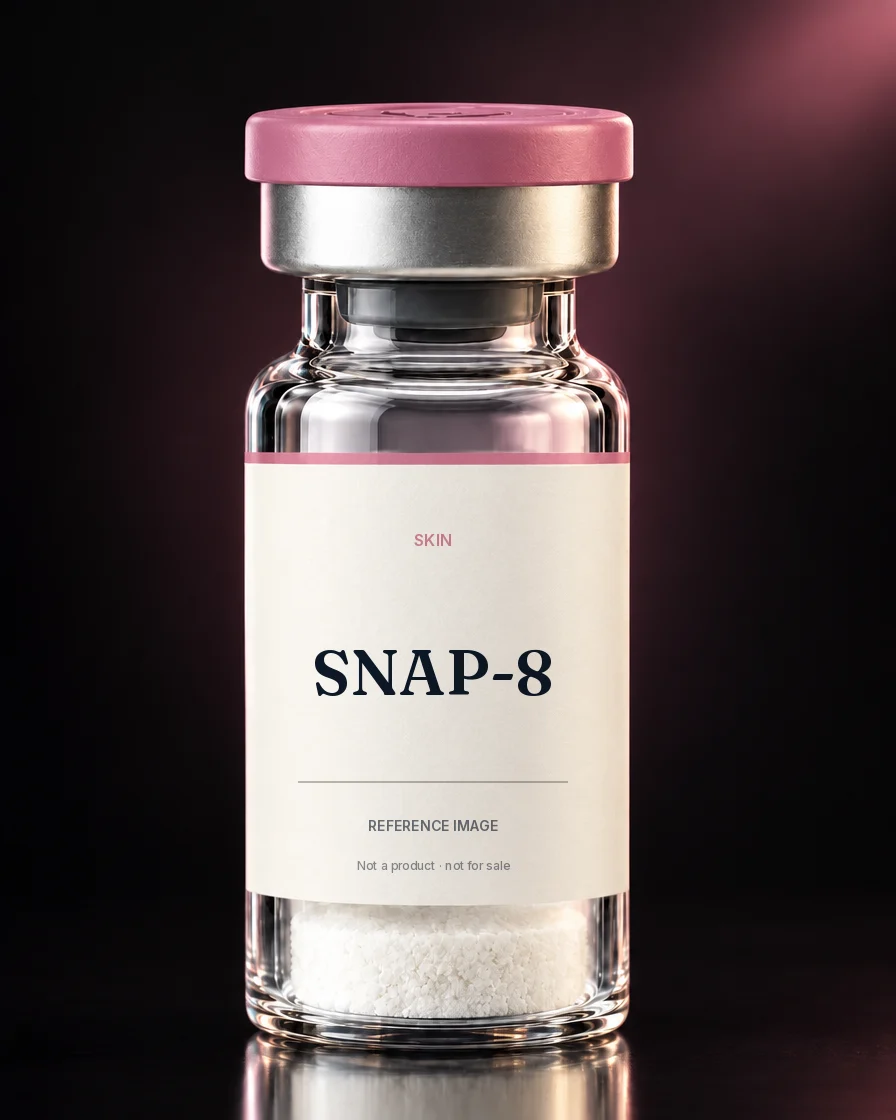
No published study of SNAP-8 alone was identified. Both human studies tested microneedle patches containing several actives, and its proposed SNARE-complex mechanism is inferred from sequence similarity rather than demonstrated.
For research use only. Not for human or veterinary use. Not a drug, food, or dietary supplement. Listing a compound under a research goal describes published research in the stated model. It is not a claim that the compound works, and it is not medical advice.