
Cognition & neuroprotection
This hub covers compounds researched in stroke, dementia, memory and neurodegeneration models, and in human cognitive or behavioural studies. About half have human data, often small or uncontrolled, while the rest have been studied only in rodents or cells.
Approved or human trial evidence
 OxytocinHuman trial evidence · FDA-approvedIntranasal oxytocin was tested in SOARS-B, a 24-week placebo-controlled trial in 290 young people with autism; the social-withdrawal outcome did not differ from placebo.
 Methylene BlueHuman trial evidence · FDA-approvedA small molecule, not a peptide; in a study of 26 healthy adults, a single oral administration increased fMRI responses during attention and short-term memory tasks.
 CerebrolysinHuman trial evidence · Approved outside the USPorcine brain-derived peptide mixture studied in human trials in acute ischaemic stroke, vascular dementia, Alzheimer's disease and brain injury; the large CASTA stroke trial was neutral.
 TRH (Thyrotropin)Human trial evidence · Approved, no longer marketedEndogenous hormone tried in neurological conditions in humans; a Cochrane review included a nine-participant spinal muscular atrophy trial that did not report motor-function effects.
Limited human data
 SemaxLimited human data · Approved outside the USACTH(4-10) analogue studied in rat stroke models and in small, mostly non-blinded Russian-language human reports in stroke and cerebrovascular insufficiency.
 SelankLimited human data · Approved outside the USTuftsin analogue studied for GABA-related signalling in rat brain and in a non-placebo-controlled Russian-language comparison with medazepam in 62 patients with anxiety disorders.
 ARA-290Limited human data · InvestigationalA healthy-volunteer study examined emotional processing as a basic-science endpoint; originating rodent work reported augmented cognitive function and tissue protection in stroke models.
 TesofensineLimited human data · InvestigationalA small molecule, not a peptide, studied in 14-week trials in Parkinson's and Alzheimer's disease and a phase 2 Parkinson's trial with modest motor-score changes.
Animal and laboratory research
 DihexaPreclinical research · Not approved — research use onlyAngiotensin IV derivative studied in rodent memory and APP/PS1 mouse models; its main HGF/c-Met mechanism paper was retracted in 2025. No human study.
 P-21Preclinical research · Not approved — research use onlyCNTF-derived peptide studied in aged rats and in mouse models of Alzheimer's disease, Down syndrome and CDKL5 deficiency, measuring memory tasks and tau; no human study.
 PinealonPreclinical research · Not approved — research use onlyIn rats with prenatal hyperhomocysteinaemia, offspring of treated mothers showed better spatial learning; cell studies examined oxidative stress. No controlled human trial.
 CortagenPreclinical research · Not approved — research use onlyIn rats with chronic brain ischaemia, Cortexin and Cortagen were reported to speed recovery of behaviour; no controlled human trial was identified.
 HumaninPreclinical research · Not approved — research use onlyCloned from a screen for factors protecting neuronal cells against Alzheimer's-related insults; human studies measured the body's own levels, including lower levels in Alzheimer's disease.
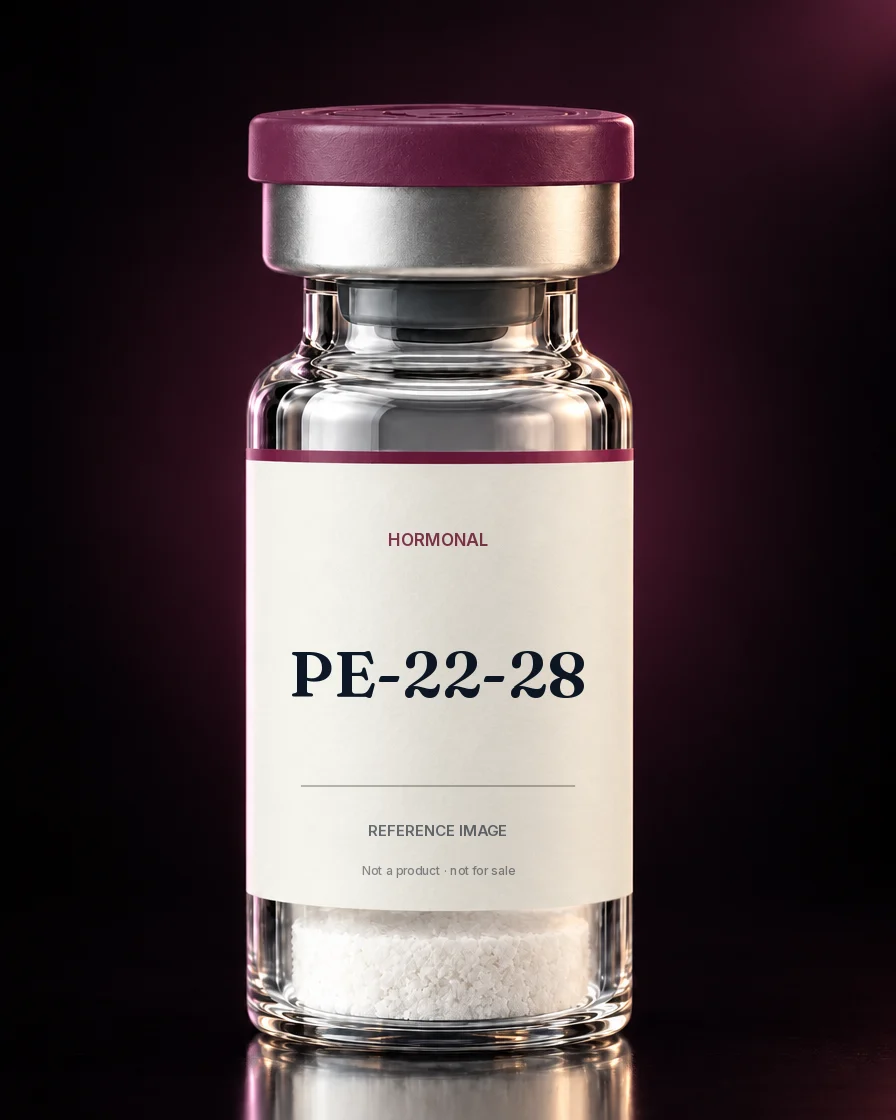 PE-22-28Preclinical research · Not approved — research use onlyTREK-1 channel blocker studied in mice for antidepressant-like behaviour and in a stroke model with motor and cognitive measures; no human study was identified.
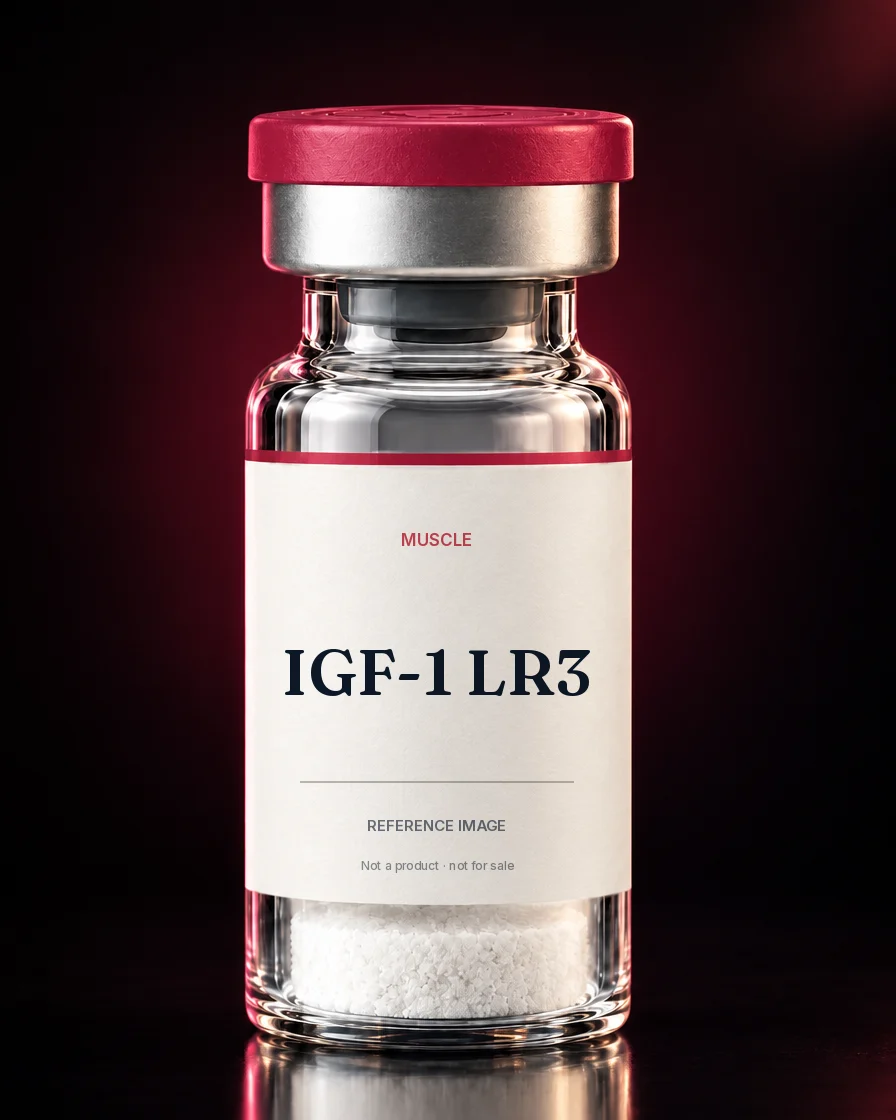 IGF-1 LR3Preclinical research · Not approved — research use onlyIn male 5XFAD mice, long-term intranasal LR3-IGF-1 altered some amyloid plaque features but did not preserve behaviour or memory.
Comparisons in this area
Guides
Questions people ask
Which peptides have human trials for stroke recovery?
Cerebrolysin has the largest human record: a 2023 Cochrane review of seven trials found little to no difference in death after acute ischaemic stroke, and the large CASTA trial was neutral on its confirmatory endpoint. Semax has small Russian-language stroke reports, mostly non-blinded.
Is Dihexa's mechanism established?
No. The paper reporting that Dihexa acts through HGF/c-Met was retracted in 2025, and the 2013 paper introducing it carries an Expression of Concern. An independent mouse study attributed its effects to PI3K/AKT signalling, and no human study exists.
What is the difference between Selank and Semax?
Semax is an ACTH(4-10) fragment analogue studied mainly in stroke settings, and Selank is a tuftsin analogue studied as an anxiolytic. Both are registered in Russia, neither is FDA-approved, and no placebo-controlled trial of either was identified.
For research use only. Not for human or veterinary use. Not a drug, food, or dietary supplement. Listing a compound under a research goal describes published research in the stated model. It is not a claim that the compound works, and it is not medical advice.